Zoe Frank · 3 October 2026
Examining Filtration Upgrades that Extend Operational Longevity in Portable Cooling Units Deployed Across Construction Sites
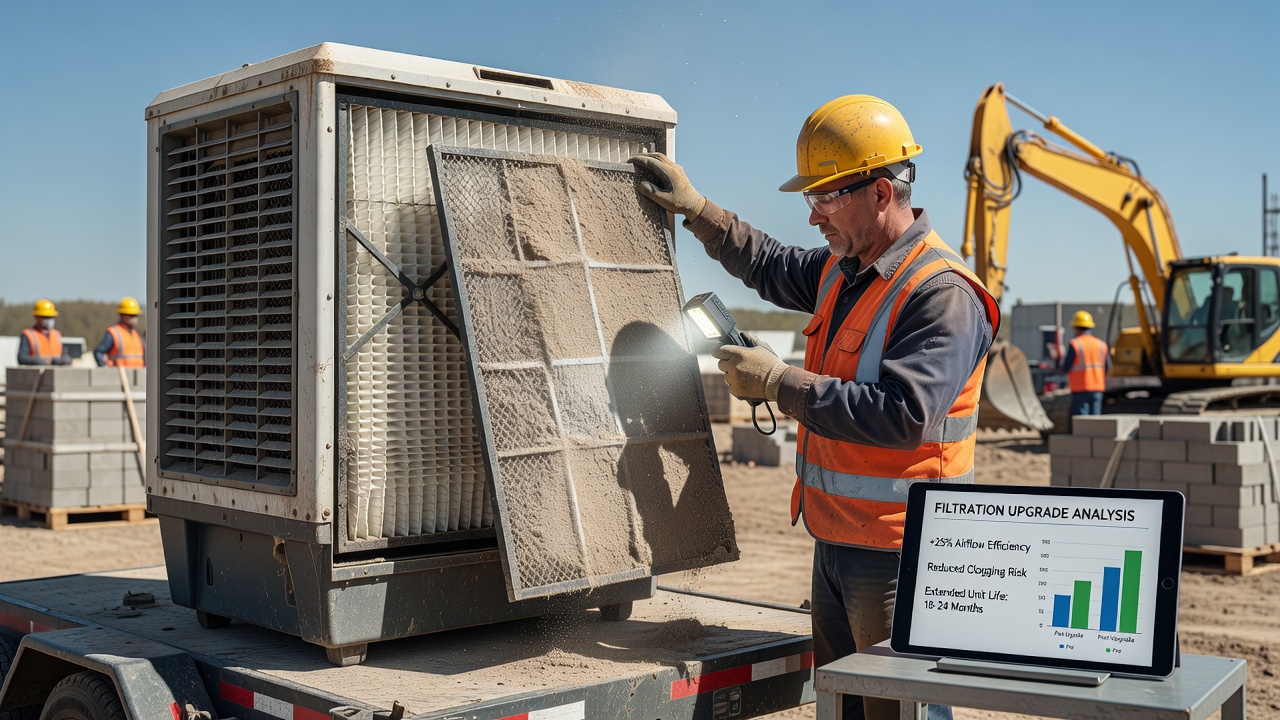
Construction sites generate high volumes of airborne dust and debris that infiltrate portable cooling units and accelerate component wear, while filtration upgrades address these conditions by capturing particles before they reach critical internal parts such as pumps, fans, and heat exchangers. Workers rely on these units for temperature control in enclosed or high-activity zones, yet without upgraded filters the equipment often requires frequent repairs or early replacement. Data from equipment monitoring programs shows that standard filters allow fine particulates to pass through, leading to buildup that restricts airflow and increases motor strain over weeks of continuous operation.
Environmental Factors Affecting Equipment Performance
Portable cooling units on construction sites operate amid constant exposure to silica dust, cement particles, and metal shavings generated by cutting, grinding, and excavation activities, and these contaminants enter intake vents during peak work hours when ventilation patterns shift with wind and machinery movement. Studies conducted across multiple sites indicate that units without enhanced filtration experience a 30 to 40 percent reduction in effective runtime before maintenance becomes necessary, whereas upgraded systems maintain consistent output for extended periods. Observers note that seasonal variations compound the issue because dry summer months increase dust suspension while wet conditions create sludge that clogs untreated filters faster.
Types of Filtration Upgrades and Their Mechanisms
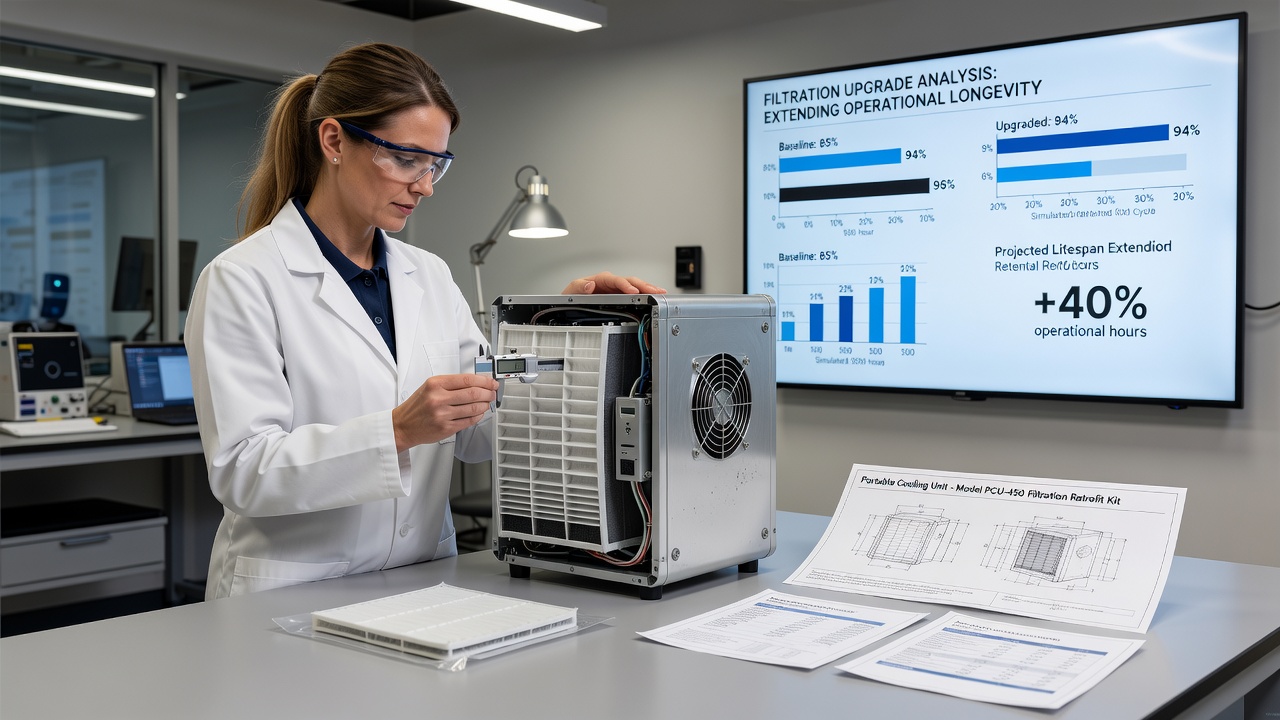
Multi-stage filtration assemblies combine pre-filters with high-efficiency particulate air elements to trap larger debris first and then capture microscopic particles that would otherwise bypass basic mesh screens, and this layered approach reduces pressure drop across the system while preserving cooling capacity. Electrostatic filters represent another option deployed in recent installations because they attract charged dust particles through an electric field that requires minimal energy draw from the unit's power supply. Research indicates that these upgrades integrate with existing fan motors without requiring full redesigns, allowing crews to retrofit units on active sites during scheduled downtime windows.
Technicians often install washable stainless steel mesh layers ahead of disposable cartridge filters so that daily rinsing removes accumulated material before it hardens, and this practice extends the service interval between full replacements. In environments where concrete cutting produces high silica loads, cyclonic separators paired with fine filtration have demonstrated the ability to divert 70 percent of incoming particles before they reach the main cooling chamber.
Measured Improvements in Operational Lifespan
Field data collected from construction projects in varied climates reveals that units fitted with upgraded filtration assemblies operate 18 to 24 months longer before major component failure compared with baseline models, and the difference appears most pronounced in units running 12 or more hours daily. Maintenance logs show fewer impeller replacements and reduced instances of coil corrosion once particulate ingress drops below threshold levels established by equipment manufacturers. One installation on a multi-phase infrastructure project recorded a 45 percent decrease in unplanned service calls after switching to upgraded filter housings that sealed more effectively around access panels.
Implementation Practices Across Different Sites
Site supervisors coordinate filter inspections at the start of each shift to verify seal integrity and airflow readings, while automated sensors now available on newer models alert crews when differential pressure across the filter exceeds set limits. Training programs emphasize proper seating of filter cartridges to prevent bypass gaps that allow dust to reach internal surfaces, and crews document these checks in digital logs that track performance trends over months of use. In October 2026, updated guidance from regulatory bodies emphasized consistent filter selection criteria for equipment operating in high-dust zones, prompting several large contractors to standardize upgrade kits across their fleets.
Portable units deployed in tunnel or basement excavation areas benefit from additional pre-filtration stages because confined spaces concentrate airborne particles, and operators report that these configurations maintain target temperatures without excessive fan speed adjustments. Comparative tests conducted by equipment rental companies confirm that upgraded units retain higher resale values because internal components show less cumulative wear at the end of rental cycles.
Regulatory and Industry Standards
Guidelines from NIOSH address dust control measures that indirectly support filtration requirements for cooling equipment, while Canadian Centre for Occupational Health and Safety resources outline similar practices for equipment longevity in industrial settings. These documents stress the connection between air quality management and machinery reliability, encouraging contractors to select filters rated for specific particle sizes encountered on site. Compliance documentation often includes filter specification sheets that verify capture efficiency under simulated construction conditions.
Conclusion
Filtration upgrades applied to portable cooling units on construction sites deliver measurable extensions in operational longevity by limiting particulate damage to internal components, and ongoing monitoring combined with appropriate filter selection sustains these gains across diverse project environments. Continued adoption of these practices aligns with broader equipment management strategies that prioritize reduced downtime and consistent performance.